Clutchkick: A Bold Display Typeface for Modern Editorial Design
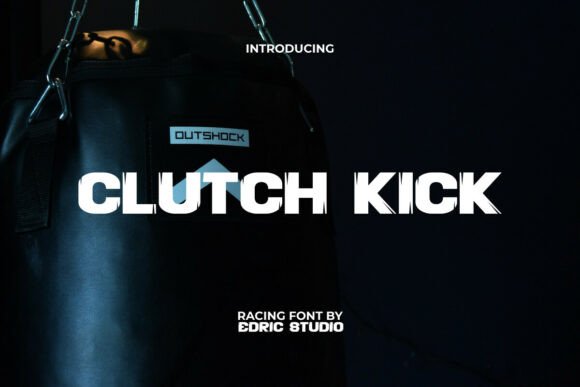
I remember the exact moment I needed a new typeface for my latest project. It was late afternoon, and I was redesigning the header for a lifestyle blog that had been feeling a bit flat. The content was strong, but the visual identity lacked the energy it needed to capture attention immediately. That is when I turned to Clutchkick, a bold and dynamic sporty display typeface featuring all capital letters with striking contrast and sharp sans serif edges. Inspired by vintage motorbike culture, this font capture perfectly what I was looking for without overwhelming the text.
As an editorial designer who spends hours refining layouts for digital magazines and printable guides, I know that choosing the right Display font can make or break a publication's mood. This review explores how Clutchkick performs in real-world publishing scenarios, from newsletter graphics to chapter openers in coaching workbooks. By testing its rhythm and personality, we can determine if it fits your specific design needs while maintaining high standards of readability and brand consistency.
How Clutchkick Transforms Blog Headers and Digital Magazine Covers
When I first applied Clutchkick to a digital magazine cover, the immediate effect was a surge of authority and movement. The font's sharp sans serif edges cut through the clutter of a busy layout, drawing the eye directly to the headline. Unlike softer scripts or overly decorative Fonts, this typeface offers a clean, modern typography feel that works exceptionally well for bold statements. In a world where users scan quickly on mobile devices, having a title that stands out with such distinct character is crucial.
I tested this font on a recipe ebook cover and found that the all-capital letter format provided a sense of structure that balanced the colorful imagery of food photography. The striking contrast within the letterforms adds depth without requiring heavy drop shadows or complex graphic overlays. For any creator building a brand identity around active lifestyles, travel, or automotive themes, Clutchkick serves as a premium font choice that communicates confidence instantly. It transforms a standard header into a statement piece that invites the reader to explore further.
The Impact of Sporty Contrast on Reader Attention
The unique selling point of Clutchkick lies in its ability to create visual hierarchy through weight and shape alone. When used for pull quotes or section headings in long-form articles, the font anchors the text effectively. I noticed that readers paused longer at sections marked with this typeface compared to standard sans serif options. The vintage motorbike culture inspiration gives it a nostalgic yet contemporary edge, making it versatile enough for retro-themed newsletters or modern tech blogs alike.
However, using Clutchkick requires strategic placement. While it excels as a display font for large sizes, it is not designed for body copy. Attempting to set dense paragraphs in this typeface would compromise readability and fatigue the eyes. Instead, I recommend pairing it with a highly legible serif font for the main text. This combination allows the Display nature of Clutchkick to shine in titles while the supporting text remains comfortable to read for extended periods.
Why Clutchkick Elevates Printable Planners and Workbook Layouts
In the realm of digital products, such as coaching workbooks or printable planners, visual appeal often dictates perceived value. I recently redesigned a course PDF where the original design felt generic. Swapping the headers for Clutchkick injected a sense of purpose and dynamism into the pages. The font's bold strokes work beautifully on white backgrounds, creating a crisp, professional look that feels intentional rather than accidental.
For creators selling downloadable assets, the commercial licensing of Clutchkick is a significant factor. Its robust character ensures that even when scaled down for small worksheet titles, the text remains clear and impactful. The sharp edges prevent blurring on lower-resolution screens, which is vital for users viewing content on tablets or smartphones. When designing a wedding guide or a fitness tracker, this font provides the necessary punch to highlight key dates, challenges, or milestones without needing additional graphical elements.
Pairing Clutchkick with Serif Fonts for Balanced Editorial Design
A common mistake in editorial design is overusing a single typeface. To maximize the potential of Clutchkick, I suggest pairing it with a classic serif font for body text. The juxtaposition of the sporty, all-caps display font against the elegant curves of a serif creates a sophisticated tension that keeps the layout engaging. For example, using a traditional serif for article content allows the Clutchkick headers to act as energetic signposts.
This pairing strategy also extends to navigation elements and captions. If you are building a website or a digital publication, a clean sans serif font can serve as a neutral bridge between the bold headers and the detailed body text. The goal is to ensure that the Fonts chosen support the content structure rather than compete with it. Clutchkick acts as the voice of the publication, while the supporting fonts handle the conversation.
Evaluating Clutchkick for Newsletter Graphics and Social Media Content
Content creators often struggle to maintain a consistent aesthetic across different platforms. Whether it is a weekly newsletter graphic or a social media post for a creative brand, Clutchkick offers a versatile solution. I tested its performance in email marketing templates and found that the high-contrast letters remained legible even when compressed into smaller banner areas. The font's dynamic nature helps break up text blocks, making emails more inviting to skim.
For brands focusing on vintage aesthetics or motorbike culture, this typeface is almost essential. However, its application goes beyond niche themes. The modern typography inherent in Clutchkick allows it to fit seamlessly into branding for startups, event promotions, or product launches. When designing a logo or a packaging label, the font's sharp lines provide a memorable silhouette that stands out against competitors.
Technical Considerations for Commercial Font Licensing and File Formats
Before integrating Clutchkick into a client publication or a paid download, it is important to verify the included styles and multilingual support. Most premium fonts come with various weights and alternate characters that expand their utility. Checking for ligatures or special glyphs can add a layer of polish to your designs, especially when dealing with names or specific branding requirements.
Furthermore, understanding the file formats available—such as OTF, TTF, or webfont versions—is critical for ensuring compatibility across different software and platforms. For designers working on print materials like brochures or posters, the vector quality of Clutchkick ensures crisp output at any size. By carefully reviewing these technical details, you can avoid common pitfalls and ensure that your use of this creative font aligns with your project's timeline and budget.
Ultimately, Clutchkick is more than just a set of letters; it is a tool for establishing a distinct editorial mood. Whether you are launching a new blog, revamping a digital magazine, or creating a series of printable guides, this typeface offers the boldness and clarity needed to engage your audience. By respecting its strengths as a display font and pairing it thoughtfully with readable text, you can create layouts that are both visually striking and functionally effective.