Planet City: A Dynamic Typeface for Modern Editorial Design
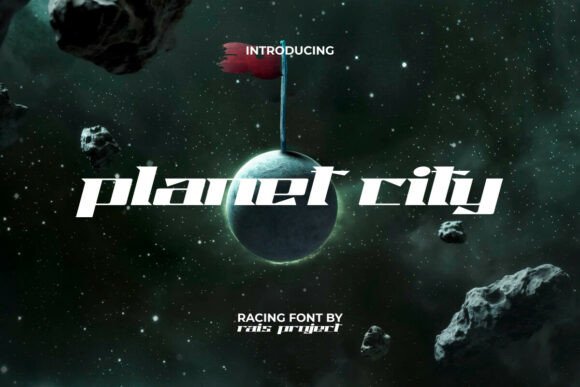
I remember the exact moment I realized my lifestyle blog needed a visual overhaul. The content was solid, the photography was crisp, but the typography felt static and forgettable. I was scrolling through a vast library of Fonts, searching for something that could inject life into my article headers without sacrificing readability. That search led me to Planet City, a high-energy racing-themed display typeface that delivers dynamic motion and futuristic appeal through its bold use of thick-thin contrast. It wasn't just another decorative option; it felt like the missing rhythm in my digital publication.
This isn't just about picking a pretty letterform; it is about curating an experience. When I first opened the file, the Planet City font immediately commanded attention. Designed entirely in ALL CAPS, each character carries a sense of purpose and urgency that is rare in modern design tools. As an editorial designer testing this for a real content layout project, I found myself drawn to how it balances aggression with elegance. It is a premium Display font that understands the nuances of visual hierarchy, making it perfect for grabbing a reader's eye on a crowded social media feed or a mobile screen.
Planet City for High-Energy Blog Headers and Article Titles
The most immediate impact of Planet City appeared when I applied it to the main headlines of my redesigned blog. Unlike standard serif fonts that can feel traditional, this typeface brings a kinetic energy that aligns perfectly with fast-paced digital reading habits. The thick-thin contrast creates a natural flow that guides the eye down the page, ensuring that readers stop scrolling long enough to engage with the story. For bloggers and publishers looking to establish a bold brand identity, using Planet City for article titles transforms a simple headline into a statement.
I tested this font against various background colors and image overlays. Because it is a Display font designed for maximum impact, it holds up well even when placed over busy photography. However, the key to success lies in restraint. I used Planet City exclusively for the hero text and major section breaks, leaving the body copy to a clean, readable sans serif font. This pairing strategy ensures that while the headers scream "read me," the content whispers "stay and learn." The result was a layout that felt cohesive yet exciting, proving that a racing-themed aesthetic can still be sophisticated enough for serious editorial work.
Why Planet City Works for Digital Magazine Covers
Beyond blog posts, I explored using Planet City for cover pages and newsletter graphics. The futuristic appeal of the letters makes them ideal for themes involving technology, automotive culture, or modern lifestyle trends. When designing a digital magazine cover, the all-caps structure provides a uniform block of text that looks intentional and professional. The unique shapes of the glyphs create a distinct silhouette that helps the publication stand out in a subscriber's inbox.
In one specific project, I used the font for a special edition guide on urban mobility. The dynamic motion inherent in the typeface mirrored the subject matter perfectly. By leveraging the full weight of the Fonts included in the package, I created variations in size and spacing that added depth to the design. The thick strokes provided stability, while the thin lines offered a touch of refinement that prevented the design from feeling too heavy or clunky.
Planet City for Premium Ebook Covers and Chapter Openers
When creating digital products like workbooks, course PDFs, or recipe ebooks, the cover is the most critical element of your marketing funnel. I decided to test Planet City as the primary title font for a new coaching workbook. The goal was to convey authority and forward momentum. The high-contrast nature of the letters gives the cover a three-dimensional quality that pops in thumbnail views, which is essential for online marketplaces.
Inside the ebook, I utilized Planet City for chapter openers and pull quotes. These are moments where the reader pauses, and the typography needs to reinforce the mood of the text. The futuristic vibe of the font adds a layer of modernity to the content, suggesting that the information inside is cutting-edge. For authors and creators, this font serves as a powerful tool for building a recognizable visual language across all their assets. It turns a standard document into a branded experience.
One thing to note about using Planet City for longer texts is its limitation. While it is excellent for titles and short phrases, it is not intended for body copy. The all-caps design and high contrast can cause eye fatigue during extended reading sessions. My recommendation is to treat it as a strategic accent. Use it for the book title, the author name, and perhaps the subheadings, but pair it with a highly legible serif font for the actual narrative. This approach respects the reader's comfort while maximizing the visual impact of your design.
Enhancing Printable Planners and Guides with Bold Typography
I also experimented with Planet City for printable planners and wedding guides. In these physical formats, the font's bold lines translate beautifully to print, offering a sharp, crisp look that stands out against white paper. For a wedding guide, the font provided a contemporary edge that moved away from the typical script-heavy designs. It suggested a modern, organized event rather than a traditional, soft affair.
The versatility of the Display category allows designers to adapt the font to various niches. Whether you are selling templates on Etsy or creating internal documentation for a company, Planet City offers a level of polish that elevates the perceived value of the product. The file format support ensures that whether you are exporting to PDF for print or embedding in a web interface, the integrity of the design remains intact. Checking the included styles and alternates before purchasing is always a good practice, as some versions may offer additional weights or ligatures that expand your creative possibilities.
Optimizing Visual Hierarchy with Planet City Pairings
Successful editorial design relies heavily on the relationship between different typefaces. Planet City is a dominant voice, so it requires a quiet partner to complete the conversation. I found that pairing it with a classic serif font for body text creates a striking contrast that feels both timeless and current. The sturdy serifs ground the design, while the racing-inspired headers provide the necessary spark.
For navigation elements, captions, and UI components within a digital magazine, a clean sans serif font works best. This combination ensures that the user interface does not compete with the content. When designing for mobile layouts, the clarity of Planet City at larger sizes is crucial. It maintains its legibility even when scaled down, though it should remain large enough to be appreciated as a design element. The thick-thin contrast helps define the boundaries of the letters, preventing them from blurring on smaller screens.
Ultimately, choosing Planet City is about more than just aesthetics; it is about setting the tone for your entire publication. It signals confidence, speed, and a modern outlook. For bloggers, publishers, and independent creators who want to break away from generic templates, this typeface offers a unique opportunity to craft a distinctive visual identity. By thoughtfully integrating this dynamic motion into your workflow, you create a reading experience that is not only informative but also visually engaging. The right font choice can transform a static page into a journey, and Planet City is ready to lead that charge.